
How to Store Bay Leaves?

Bay Leaves, also known as Laurel Leaves (Laurus nobilis), are one of the most valued herbs in kitchens around the world. Their distinctive aroma and subtle flavor add depth to soups, stews, sauces, and marinades, making them a staple ingredient in both home cooking and professional gastronomy. However, to enjoy their full potential, it is essential to store bay leaves properly.
Correct storage helps preserve the natural oils within the leaves that give them their characteristic fragrance and taste. The methods for storing bay leaves vary depending on whether they are fresh or dried. Fresh bay leaves contain more moisture and therefore require refrigeration or freezing to maintain their quality, while dried bay leaves last much longer and should be kept in airtight containers, away from sunlight and humidity.
By following the right storage practices, you can ensure that your bay leaves retain their flavor, aroma, and vibrant green color for months—or even years. Whether you use them daily in cooking or buy them in bulk for export and long-term supply, proper storage is the key to maintaining premium quality.
How to Store Fresh Bay Leaves?
Fresh bay leaves have a bright green color and a strong, natural aroma. Since they contain more moisture, they are more delicate than dried ones.
Refrigeration: Wrap fresh bay leaves in a slightly damp paper towel and place them in an airtight plastic bag or glass container. Store in the vegetable drawer of your refrigerator. They will stay fresh for about 1–2 weeks.
Freezing: For longer storage, fresh laurel leaves can be frozen. Place them in a freezer-safe bag, remove as much air as possible, and store in the freezer. They can last up to 1 year with most of their aroma preserved.
Tip: Always wash and dry fresh leaves thoroughly before storage to prevent mold.

How to Store Dried Bay Leaves?
Dried bay leaves are the most common form used in cooking. They have a long shelf life when stored properly.
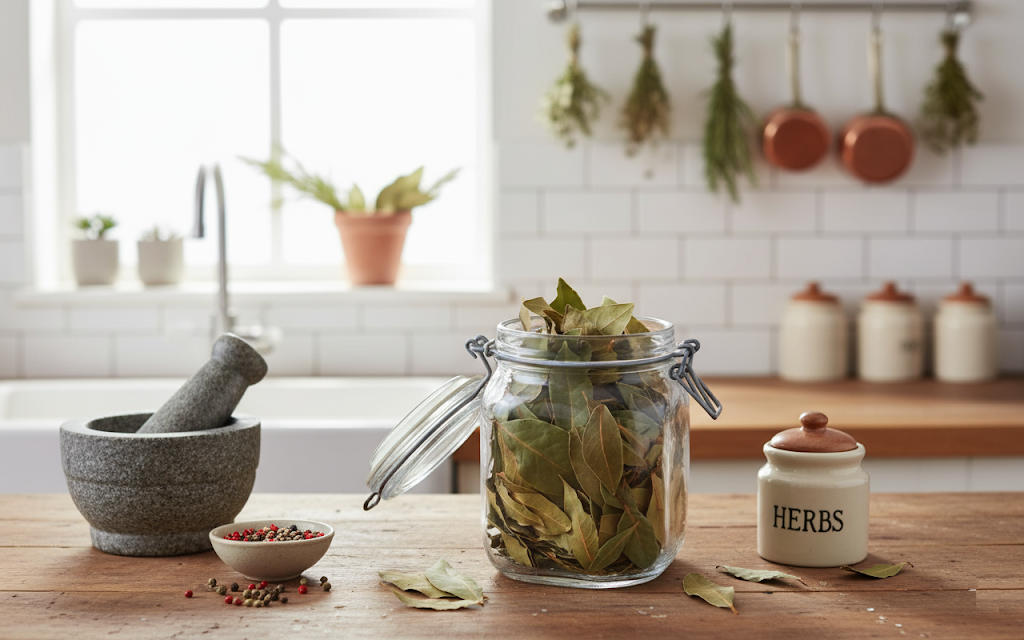
Airtight Container: Keep dried laurel leaves in a sealed glass jar or tin to protect them from air and moisture.
Cool, Dark Place: Store in a cupboard, pantry, or spice rack away from sunlight, heat, and humidity. Direct light or high temperature can weaken the flavor.
Shelf Life: Whole dried bay leaves can retain flavor for 12 months or more. Ground bay leaves lose aroma faster and are best used within 6 months.
Freezing Option: For bulk quantities, freezing dried bay leaves in airtight bags helps preserve freshness for over a year.
Common Mistakes to Avoid
❌ Storing bay leaves near a stove or oven → Heat reduces aroma.
❌ Using transparent containers in direct sunlight → Causes discoloration.
❌ Leaving leaves exposed to air → Leads to loss of essential oils.
❌ Mixing fresh and dried leaves → Moisture from fresh leaves can spoil dried ones.
At Zeste Seasoning, we stand out as a trusted supplier of Turkish laurel leaves. Here’s what sets us apart as a leading laurel leaves exporter in Türkiye:
Superior Quality Standards: We follow strict grading, color selection, and size calibration to meet international buyer expectations.
Sustainable Sourcing: Partnering with local harvesters along Turkey’s coastal regions, we ensure eco-friendly and ethical sourcing practices.
Modern Processing & Packaging: Our advanced drying and packaging techniques preserve laurel’s natural oils and freshness.
Custom Solutions: We offer bulk shipments in kraft bags or customized private-label packaging tailored to your business needs.
Efficient Global Shipping: From full containers to smaller shipments, we provide reliable logistics solutions to deliver laurel leaves worldwide.
Conclusion
With these methods, you now know how to store fresh oregano like a pro, whether you need to keep it fresh for a few days in the fridge or preserve it for months by freezing or drying. By following the step-by-step instructions and tips above, you’ll ensure your oregano stays green and flavor-packed instead of ending up wilted or bland.
Now it’s time to put your preserved oregano to good use! Try sprinkling your refrigerated oregano on a homemade pizza, dropping a frozen oregano cube into a soup, or using your freshly dried oregano in a pasta sauce – you’ll taste the difference that proper storage makes.
Ready to learn more? If you enjoyed these oregano storage tips, be sure to check out our other herb guides. You might love our article on using oregano in your cooking and our guide to growing your own oregano for an endless supply (internal links). With the right techniques, you can enjoy home-grown flavor year-round.
Explore more of our oregano content and keep cooking with confidence!